What a Building Automation System Actually Controls
A building automation system connects separate engineering functions so they can operate according to a common set of rules. Depending on the facility, this may include HVAC, ventilation, lighting, electrical distribution, water supply, access control and fire-safety interfaces.
The key point is that building automation is not a single controller, cabinet or software screen. It is an architecture that determines how equipment exchanges signals, which events require a response and which functions remain independent. Devices from several manufacturers may participate in the same system while continuing to perform their own local tasks.
For example, an office building may adjust ventilation according to occupancy, switch lighting by schedule and report a failed fan to maintenance personnel. A building automation control system defines those interactions before the facility enters operation instead of forcing staff to coordinate them manually.
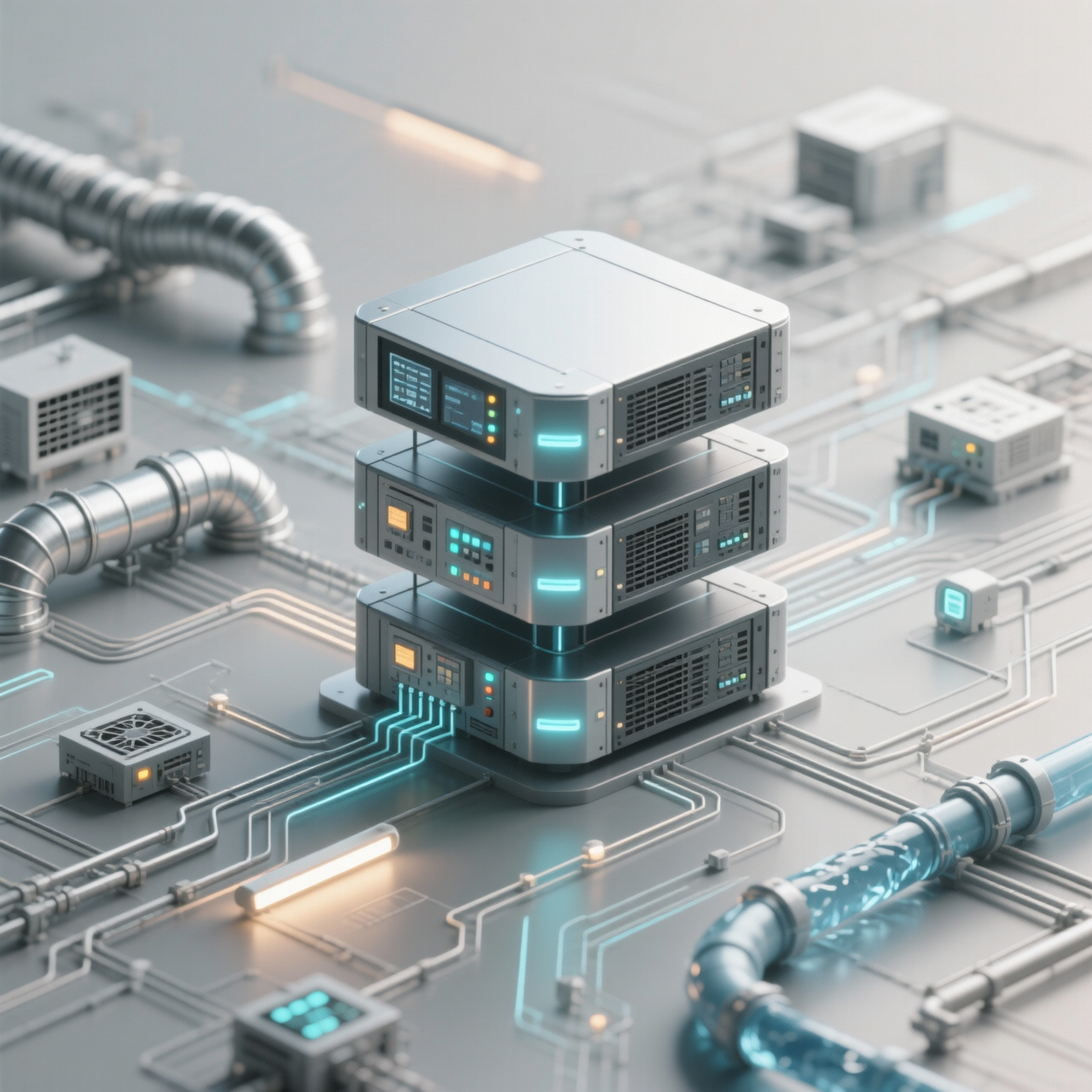
Subsystems Under a Single Control Layer
A smart building automation system does not need every subsystem to exchange every available signal. Integration should be based on practical scenarios: alarms, interlocks, schedules, operating modes and authorised commands.
For this reason, an automation and control system should be designed around responsibilities. Engineers need to decide which functions must remain local, what information reaches the supervisory level and how equipment behaves if communication with an upper-level system is temporarily lost.
Building Management System BMS, SCADA Automation System and DCS: Where the Boundaries Are
A building management system bms is primarily concerned with the engineering services of a building or campus. It typically coordinates climate equipment, ventilation, lighting, power-related functions, access interfaces and other systems required for everyday facility operation.
A scada automation system solves a different problem. It is generally used where operators need central visibility of a technological process or equipment distributed over a large territory. Its role is to collect operating information, display states and trends, generate alarms and allow authorised supervisory actions.
DCS is aimed at another class of facilities. It is most suitable where production depends on multiple coordinated control loops and where process stability must be maintained continuously. Chemical production, refining and similar operations are typical examples.
These systems can therefore exist at the same site without duplicating one another. BMS can manage the building services of an industrial complex, SCADA can supervise remote process equipment, and DCS can remain responsible for continuous production.
When a Facility Needs SCADA Rather Than BMS
SCADA becomes the stronger option when equipment is spread across several areas or sites, when the operator is supervising a technological process, or when central visibility of remote assets is required.
BMS is usually more appropriate when the automation task is concentrated around the engineering infrastructure of one building or a group of buildings.
Distributed Control Systems in Continuous Production
A distributed control system for industrial automation divides process-control functions between several control nodes located close to the equipment they manage. This approach is appropriate where even a short loss of stable control can affect output quality, equipment operation or production continuity.
The Three Layers of an Industrial Automation Control System
An industrial automation control system can be divided into three functional levels.
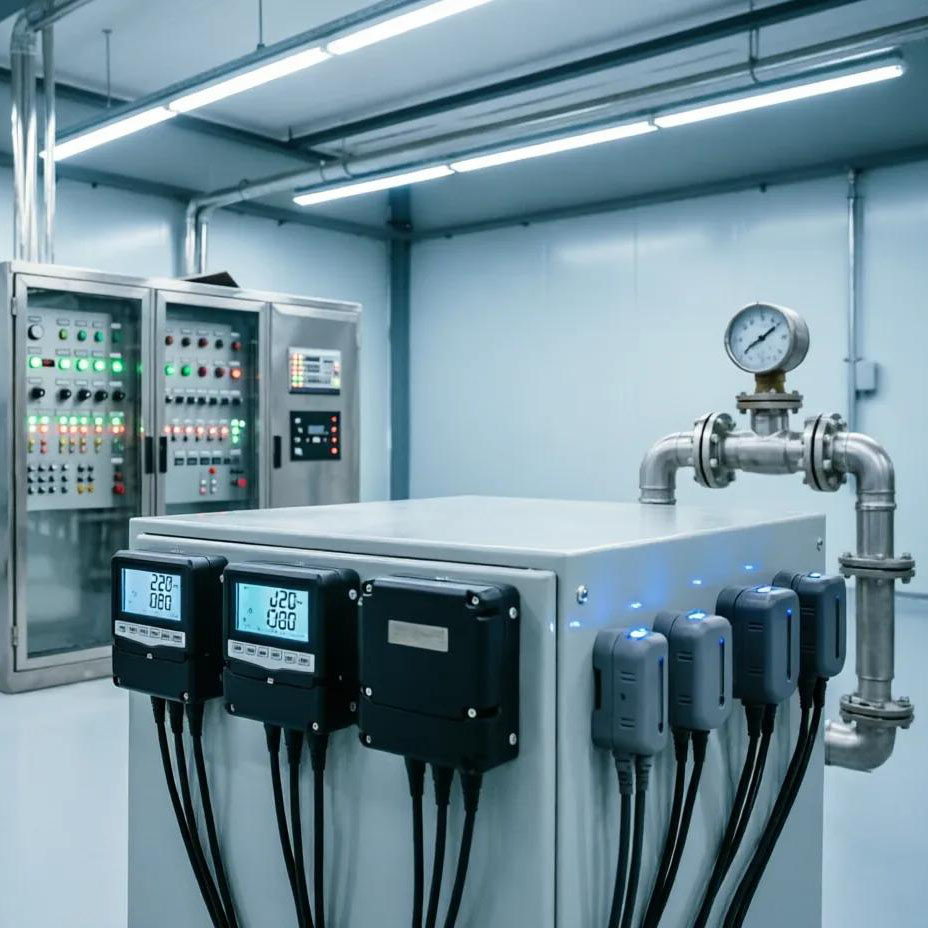
The lowest level interacts directly with the physical process. It includes measurement devices, switches, valves, drives and other equipment that either reports what is happening or performs a physical action.
The next level processes that information and executes control logic. This is where signals are evaluated, commands are generated and local operating sequences are performed.
The upper level is intended for personnel. It brings together operating states, alarms, trends and other information that operators need to supervise the facility.
This separation is important for reliability. A local process should not stop merely because an operator workstation or remote dashboard has become unavailable. Essential control logic remains closer to the equipment, while the upper level provides supervision and coordination.
Field Devices and Controllers
At the intermediate level, automation controllers process field information and execute the logic assigned to a particular part of the facility.
For applications with more demanding operating requirements, industrial controllers can also perform local processing, coordinate groups of equipment or exchange data between different interfaces.
In an industrial automation and control system, controllers are selected after the architecture and operating tasks have been defined. Starting with a preferred controller and adapting the whole facility around it can create unnecessary restrictions during later expansion.
Supervisory Level
The upper level gathers information from lower levels and presents it to operators in a usable form. Depending on the project, an automated dispatching control system may be used for central supervision.
Time-critical or protective functions, however, should remain at the level where they can operate without depending on a remote user interface.
How IoT Changed Remote Automation Control
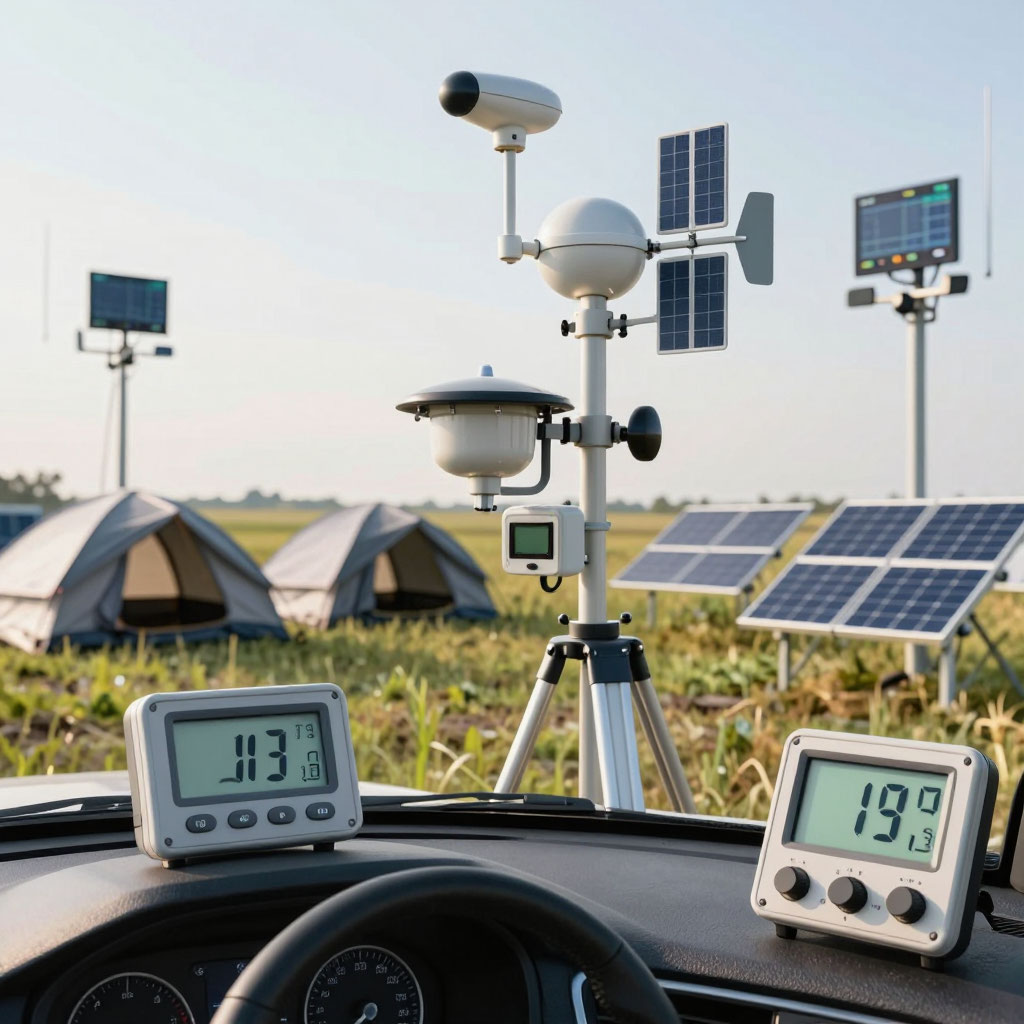
IoT has changed mainly the way remote equipment is connected to automation systems. Previously, adding a distant site often meant organising a dedicated communication channel specifically for that facility. Today, many remote objects can transmit selected operating information through available IP-based networks.
In a remote automation control iot project, this makes it possible to supervise technical rooms, pumping facilities, warehouses and other unattended locations without maintaining staff at every site.
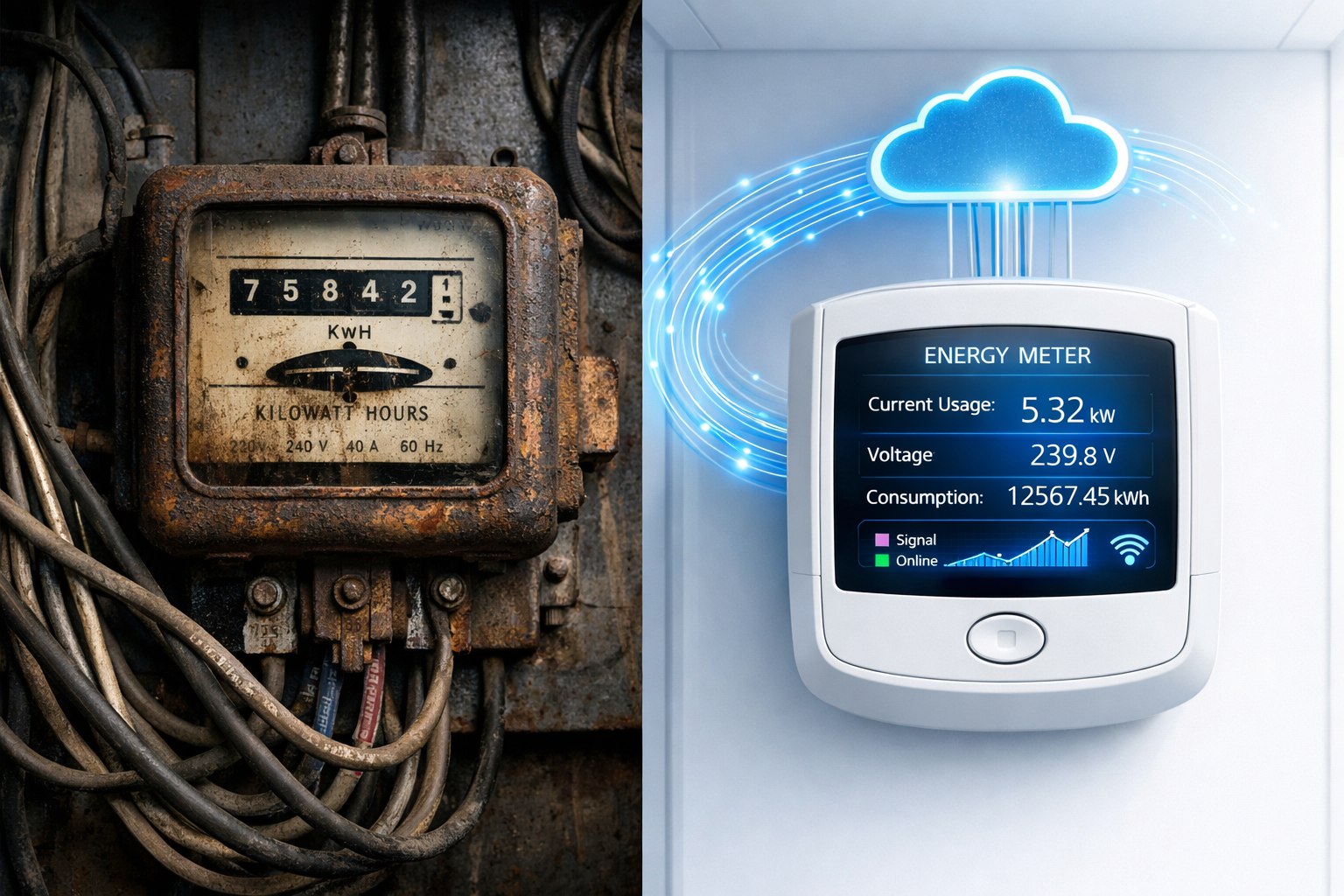
An iot automation control system can provide operators with alarms, equipment status and diagnostic information from several facilities through one interface. Where supported by the hardware, some maintenance operations or configuration changes can also be carried out remotely.
This does not mean that local operation should depend entirely on external connectivity. A correctly designed remote site must retain the functions necessary for safe operation even when the connection to the supervisory level is temporarily interrupted.
Access rights also need to be defined at the design stage. Viewing data, issuing commands and changing system settings are different levels of access and should not automatically be available to the same users.
Multi-Site Facilities Under One Interface
For companies responsible for several locations, the practical advantage is a common view of the whole portfolio. Personnel can identify which site generated an alarm, check its current state and decide whether an on-site visit is actually required.
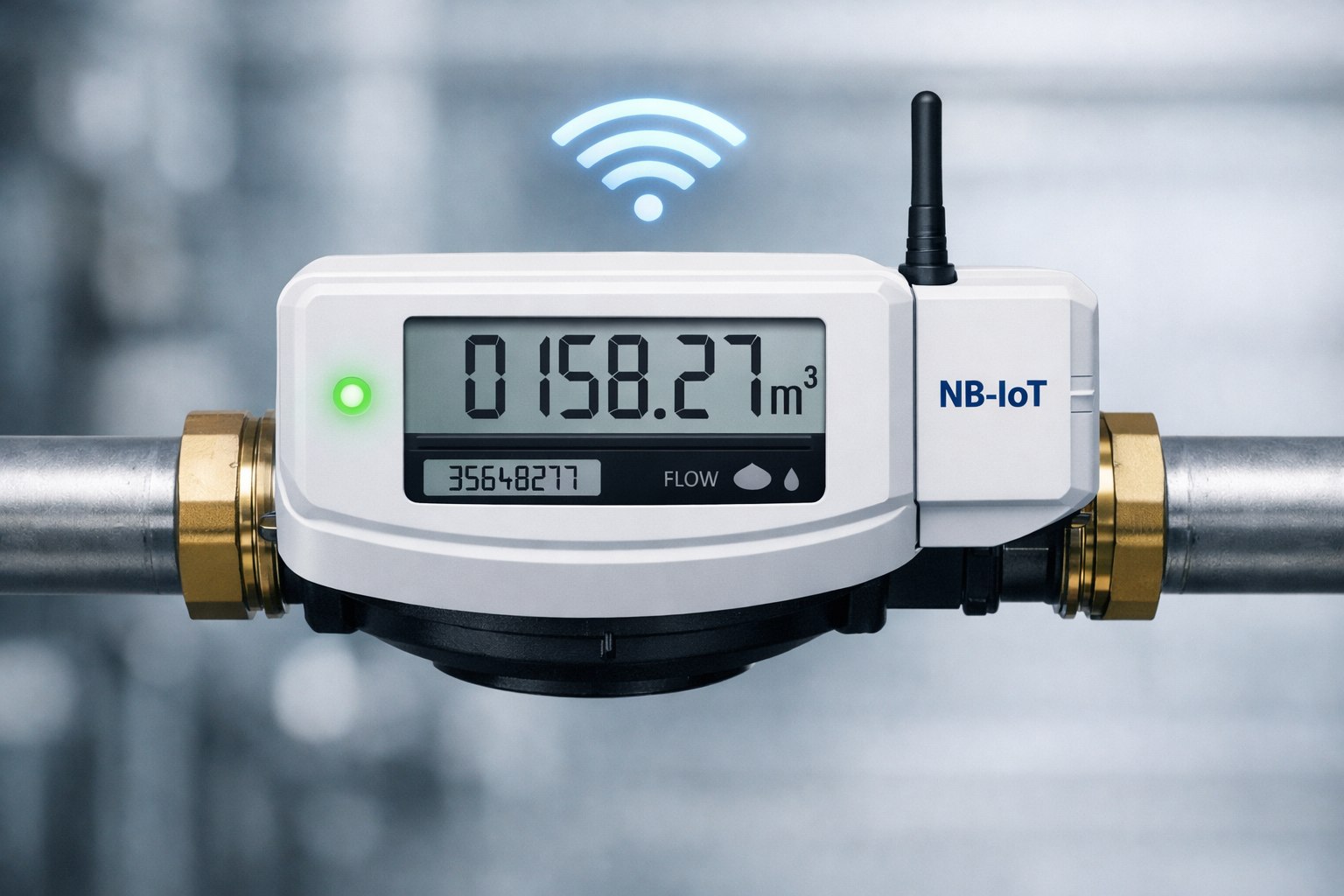
The choice of communication technology is a separate engineering task; for that topic, see the NB-IoT and LoRaWAN comparison.
Choosing an Industrial Process Control System Architecture for Your Facility
An industrial process control system should be selected on the basis of the operating task rather than a familiar hardware brand. Before choosing equipment, engineers need to define what is being controlled, how quickly the system must respond and which functions must remain available after a fault.
The first criterion is the type of facility. A commercial building, a network of remote infrastructure assets and a continuous production plant may all require automation, but their architectures will differ substantially.
The second is scale. The design should account not only for the current number of signals and devices but also for expected extensions, additional sites and future interfaces. A control system automation project that starts without sufficient capacity reserve may require expensive restructuring after only a small expansion.
The third criterion is fault tolerance. The project team should identify the consequences of losing a controller, server, communication channel or power source. Redundancy is useful where it addresses a defined operational risk, not simply because duplicated equipment appears more reliable on paper.
The fourth factor is interoperability. Existing facilities often contain equipment installed at different times and supplied by several manufacturers. Open, documented interfaces simplify future integration. Where a packaged upper-level solution is needed, integrated automation and monitoring systems can be considered as part of the wider architecture.
The fifth criterion concerns day-to-day operation. An automation management system should correspond to the skills and staffing available at the facility. Routine diagnostics, alarm handling and user administration should not require specialist intervention unless there is a clear technical reason.
For projects in the UAE and elsewhere in the Gulf, designers also have to consider sustained HVAC loads, energy-performance requirements for new buildings and facilities distributed across several locations. These conditions can affect communication architecture, redundancy priorities and the role of remote supervision.
Common Mistakes When Specifying a Control System
One common mistake is choosing devices before defining the actual automation task. A project may begin with a familiar controller, gateway or software platform and then adapt its requirements to the limitations of that equipment. A more reliable approach is to specify functions, interfaces, response times and behaviour during faults first.
Another mistake is accepting closed interfaces without considering how the facility may change later. The system can work correctly at commissioning and still become difficult to expand when a new subsystem has to be connected. An automation control system therefore needs a clear and documented route for future integration.
A third problem is designing the project with no capacity reserve. Facilities rarely remain unchanged throughout their service life. Additional equipment appears, zones are reorganised and new signals may need to be monitored. Controller resources, network capacity and software limits should allow for reasonable growth.
The fourth mistake is postponing operational planning until commissioning. Even technically correct automation can become difficult to maintain if alarm priorities are unclear, configuration responsibilities are not assigned or backup procedures have never been defined. Administration, maintenance and change-control rules should be agreed before the system is handed over.
JCOM IoT develops and supplies automation architectures for commercial and industrial facilities, from field equipment and controllers to supervisory solutions. Send your project brief to receive a structured technical response from the engineering team within one business day.