Water is the Gulf’s most precious resource — and its most vulnerable one. Across Saudi Arabia, the UAE, Qatar, Kuwait, Bahrain, and Oman, freshwater scarcity is not a distant forecast. It is a present-tense reality that shapes national policy, infrastructure investment, and the daily lives of tens of millions of people. The GCC sits atop some of the world’s most energy-intensive desalination infrastructure precisely because nature did not provide what rapid urbanization demands.
Yet for all the billions invested in producing water, an astonishing share of it disappears before it ever reaches a paying customer. Non-revenue water — water that is produced, treated, and pumped but never billed — runs at rates between 25% and 35% across many GCC municipalities. In some older distribution networks, the figure climbs even higher. Every liter lost is a liter that cost energy to desalinate, chemicals to treat, and infrastructure to pump. The economics of waste here are uniquely brutal.
Smart water metering is not a gadget upgrade. In the GCC context, it is a strategic infrastructure transformation with consequences that ripple from household bills all the way to national energy budgets and long-term water security planning. This guide breaks down what smart metering actually means, why the GCC presents a uniquely compelling case for rapid adoption, and what decision-makers need to understand before rolling it out at scale.
What Smart Water Metering Actually Means — and What It Doesn’t
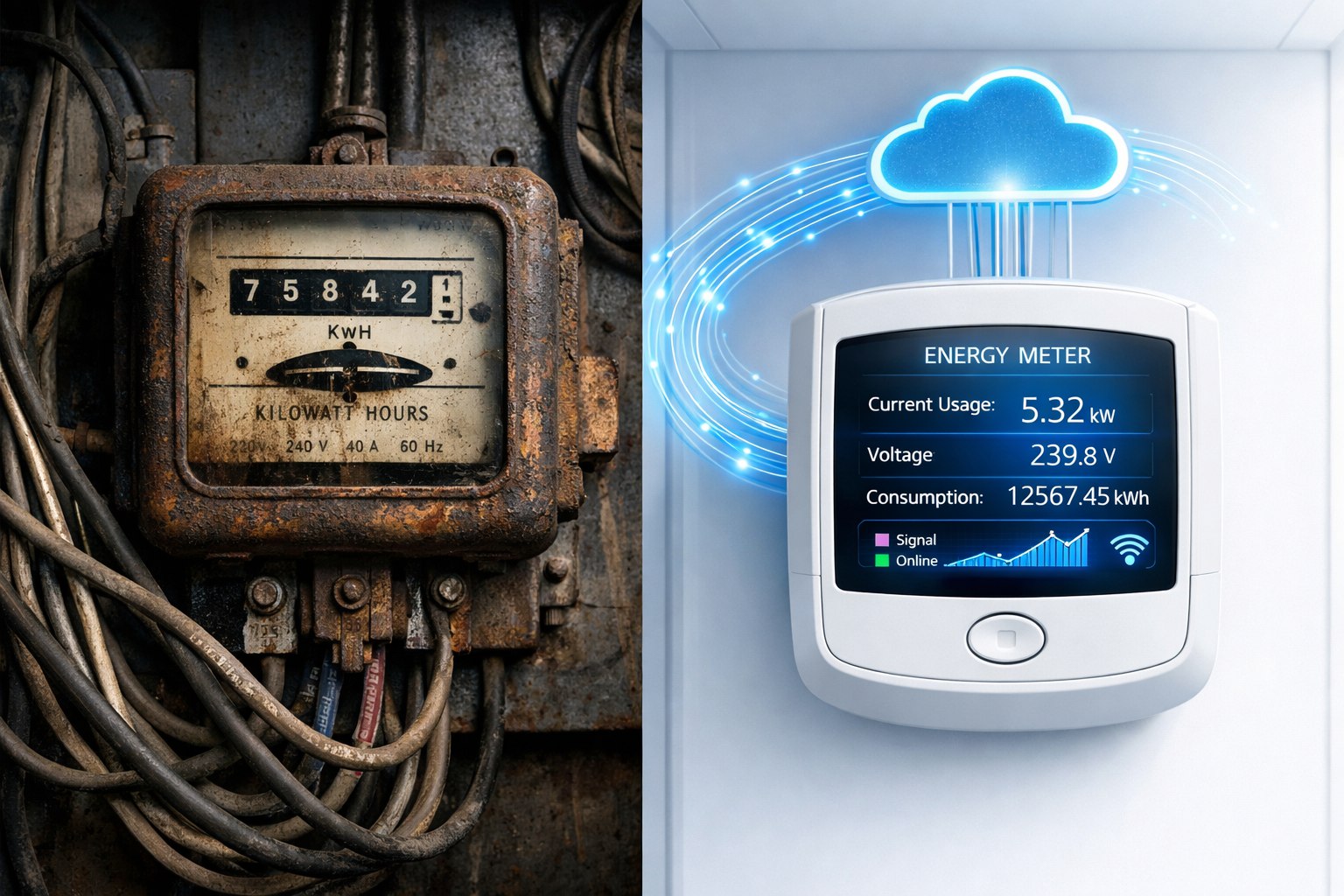
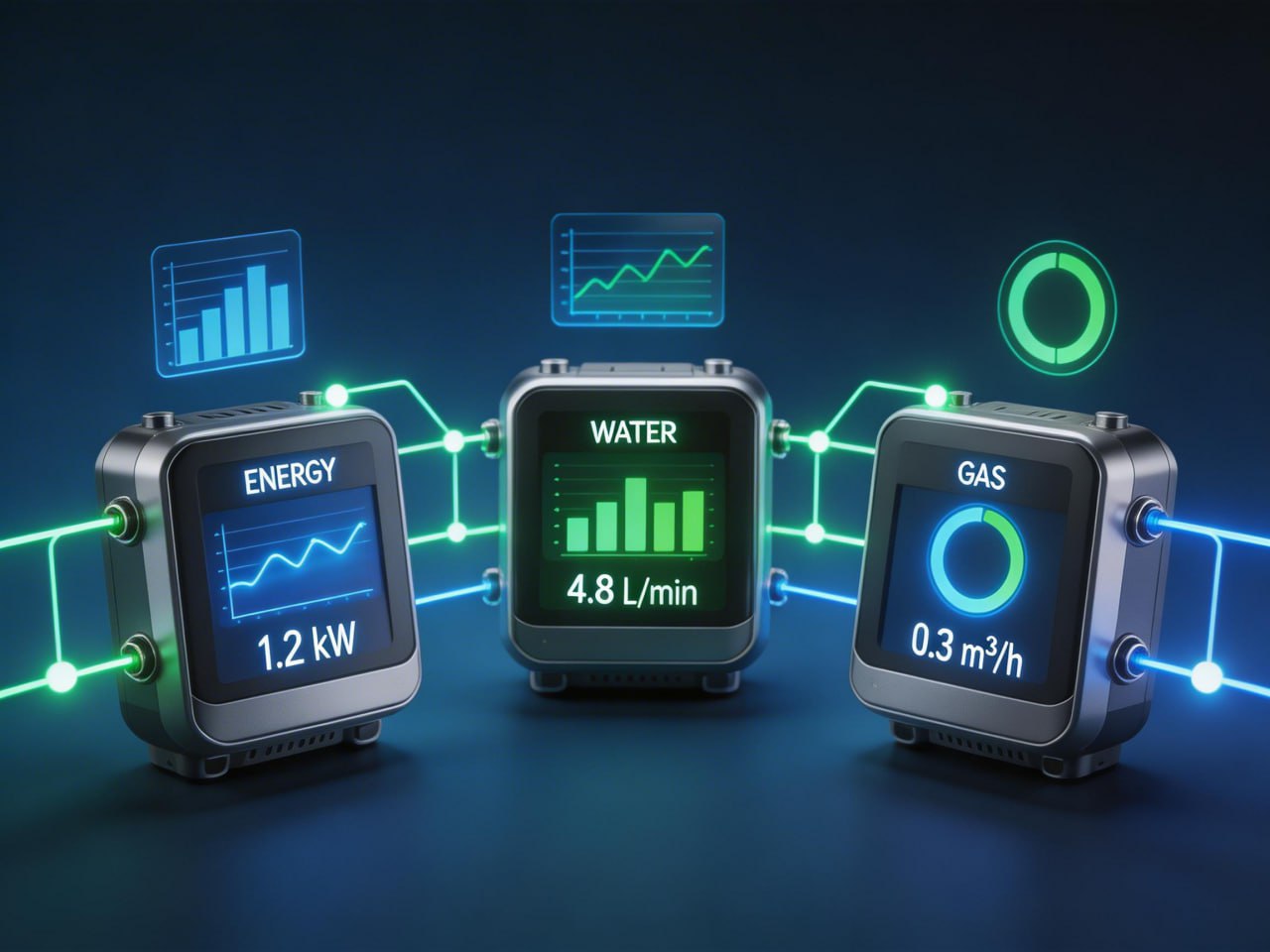
The term “smart meter” gets used loosely, so let’s be precise. A smart water meter is not simply a digital display bolted onto a traditional mechanical register. True smart metering involves three layers working together: an accurate measurement device, a communication module capable of transmitting data remotely, and a software platform capable of ingesting, analyzing, and acting on that data in near real-time.
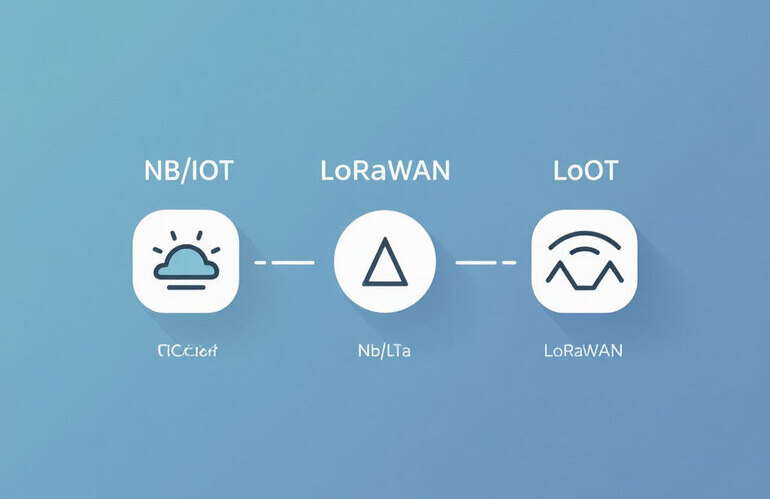
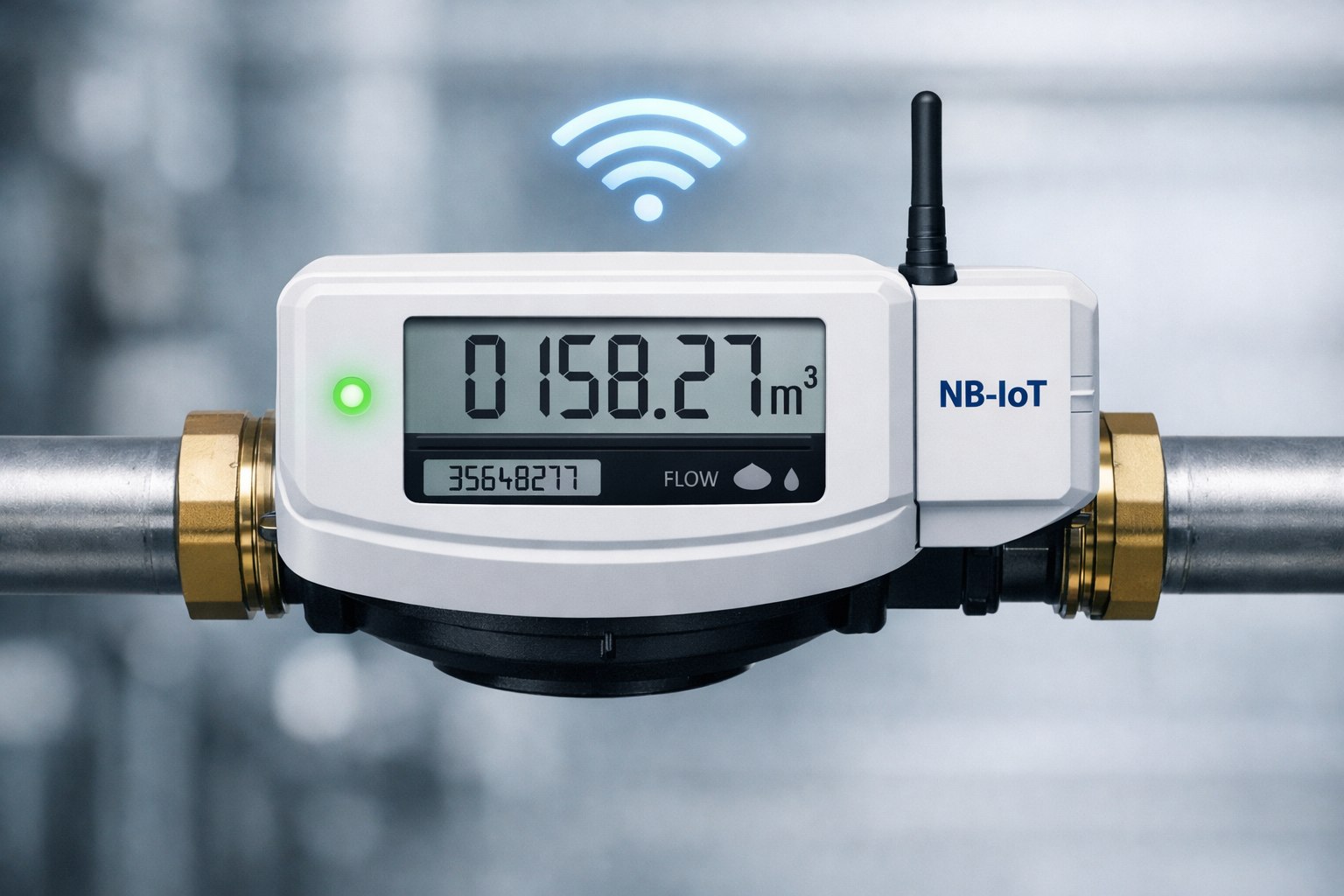
The communication layer is where most of the meaningful engineering decisions happen. Smart modules for water meters are the hardware components that transform a passive measurement device into an active node on a data network. These modules capture consumption readings at configurable intervals — hourly, every 15 minutes, or even more frequently — and transmit them wirelessly over protocols like NB-IoT, LoRaWAN, or other LPWAN standards to a central management platform.
This is a fundamentally different operating model from traditional metering, where a technician physically visits each meter on a monthly or quarterly cycle, reads a number, and enters it manually into a billing system. That model is slow, labor-intensive, error-prone, and — crucially — blind to everything that happens between readings. A burst pipe, a running toilet wasting hundreds of liters per day, a tampered meter, or a suspicious consumption spike at 3 AM: none of it is visible until the next manual visit. Smart metering eliminates that blindness entirely.
Why the GCC Is Uniquely Positioned to Benefit
The Gulf’s combination of extreme climate, water scarcity, high urbanization density, and ambitious national digitalization agendas creates an environment where smart water metering delivers returns faster and more dramatically than almost anywhere else on earth.
Consider the climate factor alone. Ambient temperatures in GCC cities regularly exceed 45°C during summer months. Traditional meter infrastructure — particularly plastic components and mechanical registers — degrades faster under these conditions. Smart modules with solid-state electronics and no moving parts are inherently more durable in extreme heat, reducing maintenance cycles and extending asset lifespans. That’s a cost argument before you even get to the data benefits.
The density argument is equally compelling. Dubai, Riyadh, Doha, and Abu Dhabi are among the fastest-growing urban environments on the planet, with vast residential and commercial developments being completed at a pace that would be extraordinary in any other region. Deploying smart metering infrastructure during construction — rather than retrofitting it into existing buildings — is dramatically cheaper and more technically elegant. The window to do this right is open now; it won’t stay open indefinitely as those buildings age.
The national policy context also matters. Vision 2030 in Saudi Arabia, UAE Vision 2031, and equivalent frameworks across the GCC explicitly prioritize smart infrastructure, digital transformation of public services, and resource efficiency. Smart water metering sits at the intersection of all three priorities. Utilities and municipalities operating in this policy environment are not asking whether to digitalize — they are asking how fast and in what sequence.
The core advantages of smart metering in GCC deployments include:
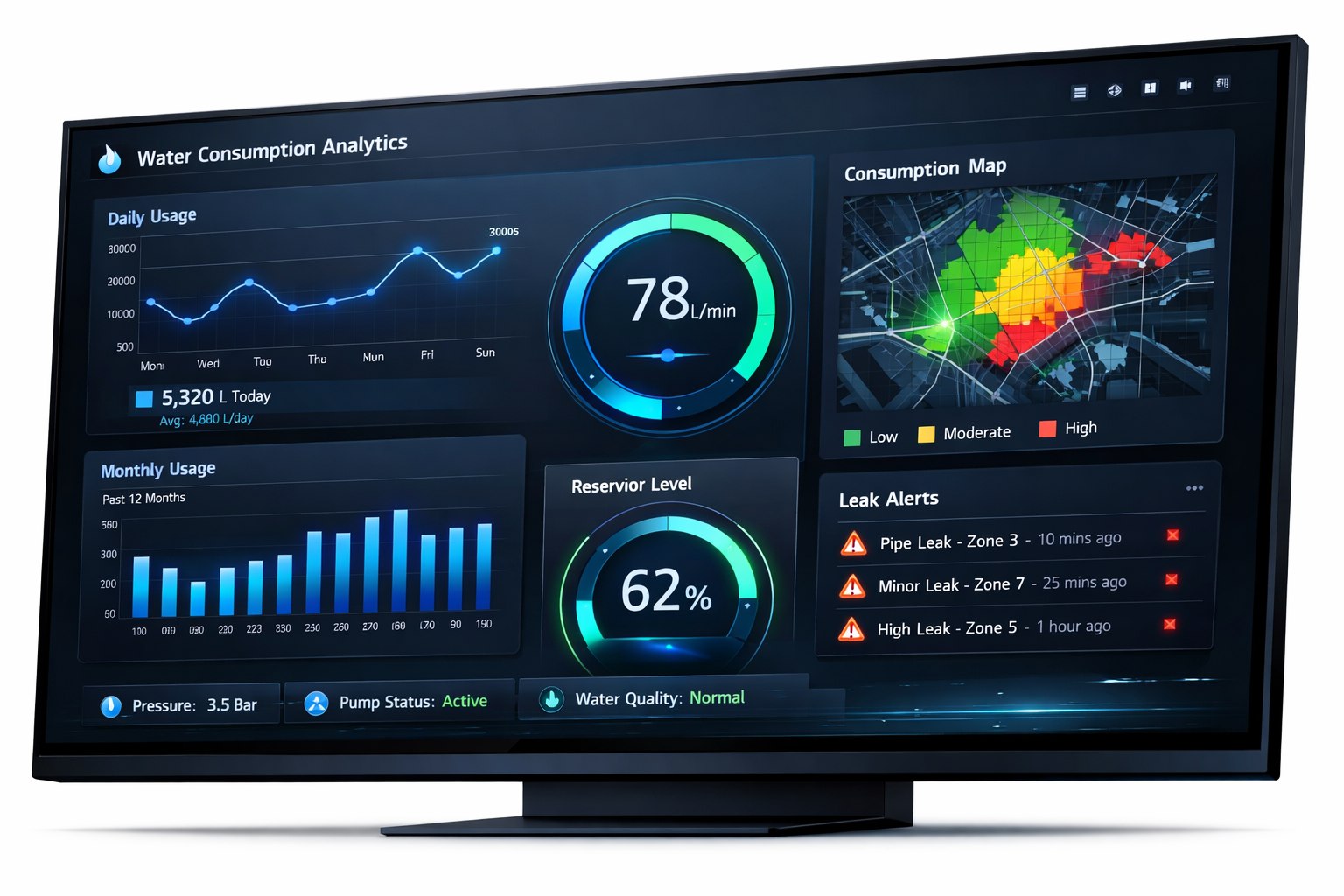
- Real-time leak detection at both network and household level, enabling utilities to identify and repair losses within hours rather than months, directly reducing non-revenue water percentages
- Automated, accurate billing that eliminates manual reading errors, reduces customer disputes, and enables dynamic tariff structures that incentivize conservation during peak demand periods
- Remote disconnect and reconnect capabilities that dramatically reduce the operational cost of managing a large, geographically distributed customer base across dense urban environments
Key Deployment Considerations for GCC Utilities
Rolling out smart metering at municipal scale is not a procurement exercise — it is a program management challenge. Several factors specific to the GCC context deserve careful attention before any hardware goes in the ground.
Network technology selection is the first major decision. NB-IoT smart water meter module is currently the dominant choice for large GCC utility deployments, largely because major telecom operators — STC, Etisalat (now e&), Ooredoo, and others — have built out extensive LTE coverage across urban areas. Leveraging that existing licensed infrastructure means faster time-to-coverage and carrier-managed reliability. LoRaWAN-based private networks are gaining traction in specific scenarios, particularly for campus-style developments or industrial zones where a utility wants full sovereignty over its data pipeline.
Meter placement and signal environment require site surveys that account for GCC-specific construction styles. Meters in the region are frequently installed in underground chambers, basement plant rooms, or recessed into thick masonry walls — environments that can challenge radio frequency propagation. Device selection and antenna design need to be validated against actual installation conditions, not just open-air range specifications.
Data platform readiness is often the bottleneck that slows smart metering value realization. Installing 100,000 communicating meters generates orders of magnitude more data than a manual reading program. Utilities need billing systems, customer portals, leak analytics engines, and network management dashboards that are designed to handle continuous data streams — not batch imports from spreadsheets.
Regulatory and data privacy frameworks across the GCC are evolving rapidly. Saudi Arabia’s PDPL, the UAE’s data protection regulations, and Qatar’s developing frameworks all have implications for how meter consumption data — which can reveal sensitive patterns about occupancy and lifestyle — is stored, processed, and shared.
The Long Game: From Billing Tool to Water Intelligence Platform
The utilities that get the most value from smart metering are not the ones that treat it as a billing efficiency project. They are the ones that recognize the meter network as a sensing infrastructure — a distributed nervous system for the entire water distribution grid.
When you have hourly consumption data from every node in your network, you can build pressure zone models that identify exactly where losses are occurring. You can correlate consumption spikes with weather events to improve demand forecasting. You can identify households that are likely experiencing pipe failures based on anomalous overnight flow patterns and reach out proactively — before the customer even knows they have a problem.
In a region where every cubic meter of water represents a genuine economic and environmental cost, that intelligence is not a nice-to-have. It is the foundation of responsible water stewardship at scale.
The GCC’s water challenge is real, urgent, and growing. Smart metering won’t solve it alone — but no serious solution to the region’s water future gets built without it.