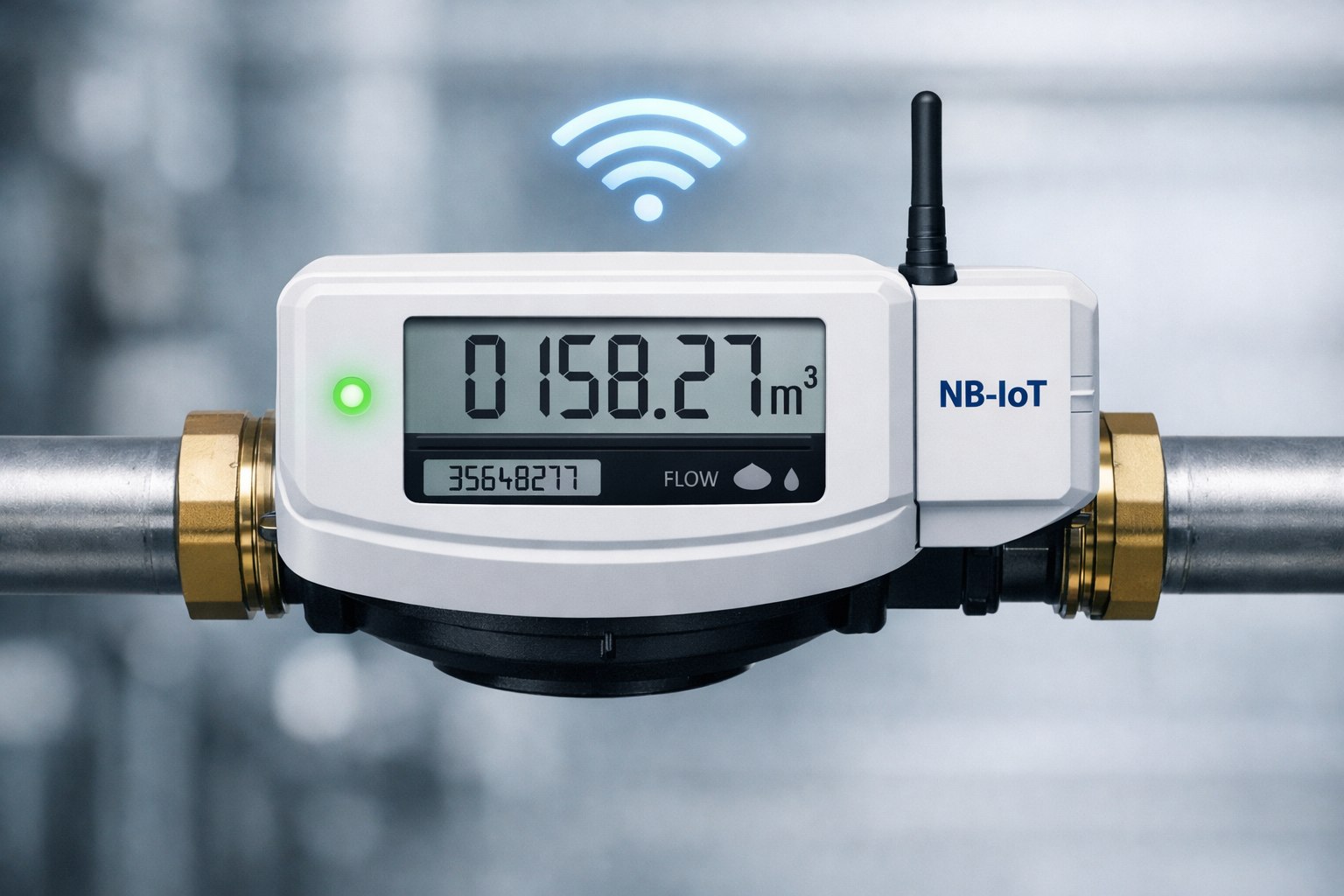
In the rapidly evolving landscape of Saudi Arabia’s industrial sector, the integration of connected technologies is redefining how operations are managed, optimized, and scaled. Central to this transformation are smart industrial controllers — devices that do far more than merely switch on and off machinery. These controllers serve as the nerve centers of modern factories and energy plants, enabling real-time data acquisition, automated decision-making, and seamless communication between machines. As we look ahead to Industrial IoT Trends in Saudi Arabia 2026, it’s clear that these intelligent control systems are not just components in the digital upgrade — they’re foundational pillars of the Kingdom’s industrial future.
Empowering Digital Transformation Across Sectors
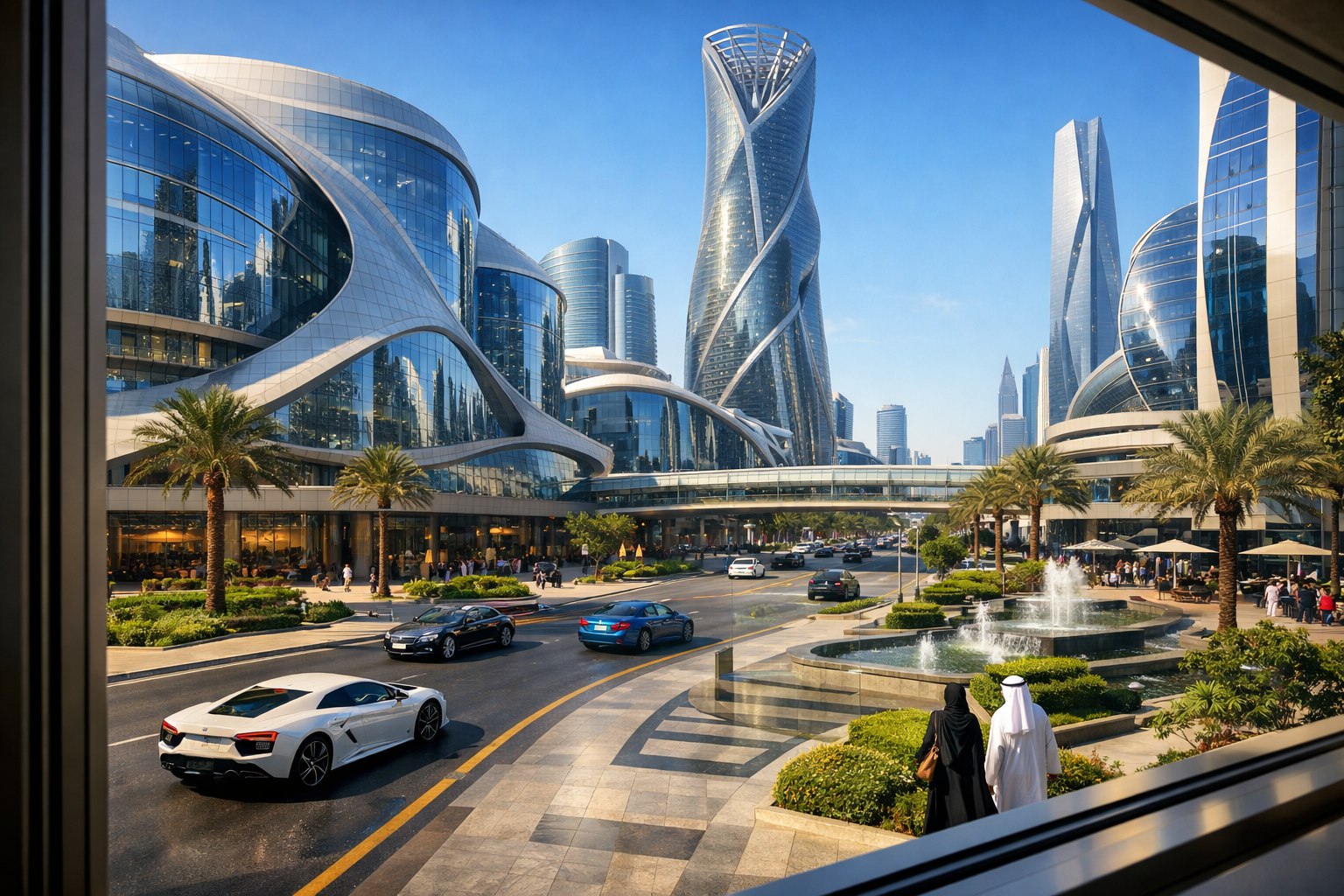
Saudi Arabia’s Vision 2030 initiative has accelerated technological adoption across sectors such as oil and gas, petrochemicals, utilities, manufacturing, and logistics. Industrial IoT (IIoT) sits at the heart of this shift, providing capabilities that extend far beyond traditional automation. The convergence of IIoT with existing infrastructure enables organizations to collect vast amounts of operational data and convert it into actionable insights, boosting efficiency, sustainability, and competitiveness.
By 2026, businesses in the Kingdom will increasingly rely on advanced sensor networks, edge computing, and AI-driven analytics to overcome long-standing challenges such as energy inefficiency, equipment downtime, and supply chain complexity. Industrial IoT platforms will become the central hub for data orchestration — linking shop floor processes to enterprise planning and strategic decision-making systems.
One of the most compelling aspects of the coming IIoT wave is its inclusive nature. Whether a facility operates a fleet of heavy industrial machines or manages a network of distributed assets across remote regions, the architecture of IIoT allows for modular growth. Organizations can start with targeted use cases — like predictive maintenance on critical equipment — and expand these capabilities over time.
Key Trends Shaping the Future of Industry
As Saudi Arabia accelerates its industrial modernization, several distinct trends are emerging. These trends illustrate not only technological advancement but also strategic priorities for enterprises that want to lead rather than adapt:

- Predictive and Prescriptive Analytics – Traditional maintenance strategies like reactive and scheduled servicing are giving way to predictive models that anticipate failures before they occur. By 2026, IIoT systems will increasingly include machine learning algorithms that digest historical data to forecast component wear, optimize maintenance windows, and extend asset lifecycles.
- Industrial Edge Computing – With ever-greater volumes of data streaming from machines, local processing at the edge is becoming essential. Edge computing reduces latency, supports autonomous decision-making, and helps maintain operational continuity even when connectivity to centralized cloud systems is compromised.
- Cybersecurity and Trust Models – As industrial networks become more interconnected, robust cybersecurity frameworks are paramount. Secure identities for devices, encrypted communication channels, and continuous threat monitoring are becoming standard components of IIoT deployments to protect both data integrity and physical operations.
These trends are part of a broader transformation in how industrial environments are designed and managed. They reflect a clear pivot from siloed operations to holistic ecosystems where machines, humans, and business systems collaborate seamlessly.
Beyond Efficiency: Sustainability and Strategic Value
Industrial IoT is not merely about efficiency — it’s also about creating long-term value that aligns with environmental and strategic goals. Saudi Arabia’s ambitious sustainability agendas, including reducing carbon emissions and optimizing energy usage, find a strong ally in IIoT technologies. Smart energy management systems can automatically adjust power consumption based on demand patterns, while connected sensors provide granular visibility into emissions and waste streams.
Moreover, the integration of IIoT with renewable energy sources — such as solar and wind — opens new pathways for hybrid energy systems that support industrial loads more sustainably. Predictive models can balance energy from different sources, mitigate peak demand spikes, and contribute to more resilient energy networks.
From a strategic standpoint, IIoT also enhances transparency and traceability across supply chains. Whether tracking raw materials from suppliers or monitoring product quality on the factory floor, connected systems ensure that every step is measurable, accountable, and improvable.
In conclusion, the Industrial IoT wave sweeping through Saudi Arabia by 2026 represents a pivotal moment in the Kingdom’s technological journey. Far from being a futuristic concept, IIoT integration is already influencing operational paradigms, unlocking new efficiencies, and redefining value creation in industrial sectors. As organizations continue to innovate, the strategic deployment of connected systems — from industrial controllers to advanced analytics platforms — will determine who leads the next chapter of industrial excellence in the region.