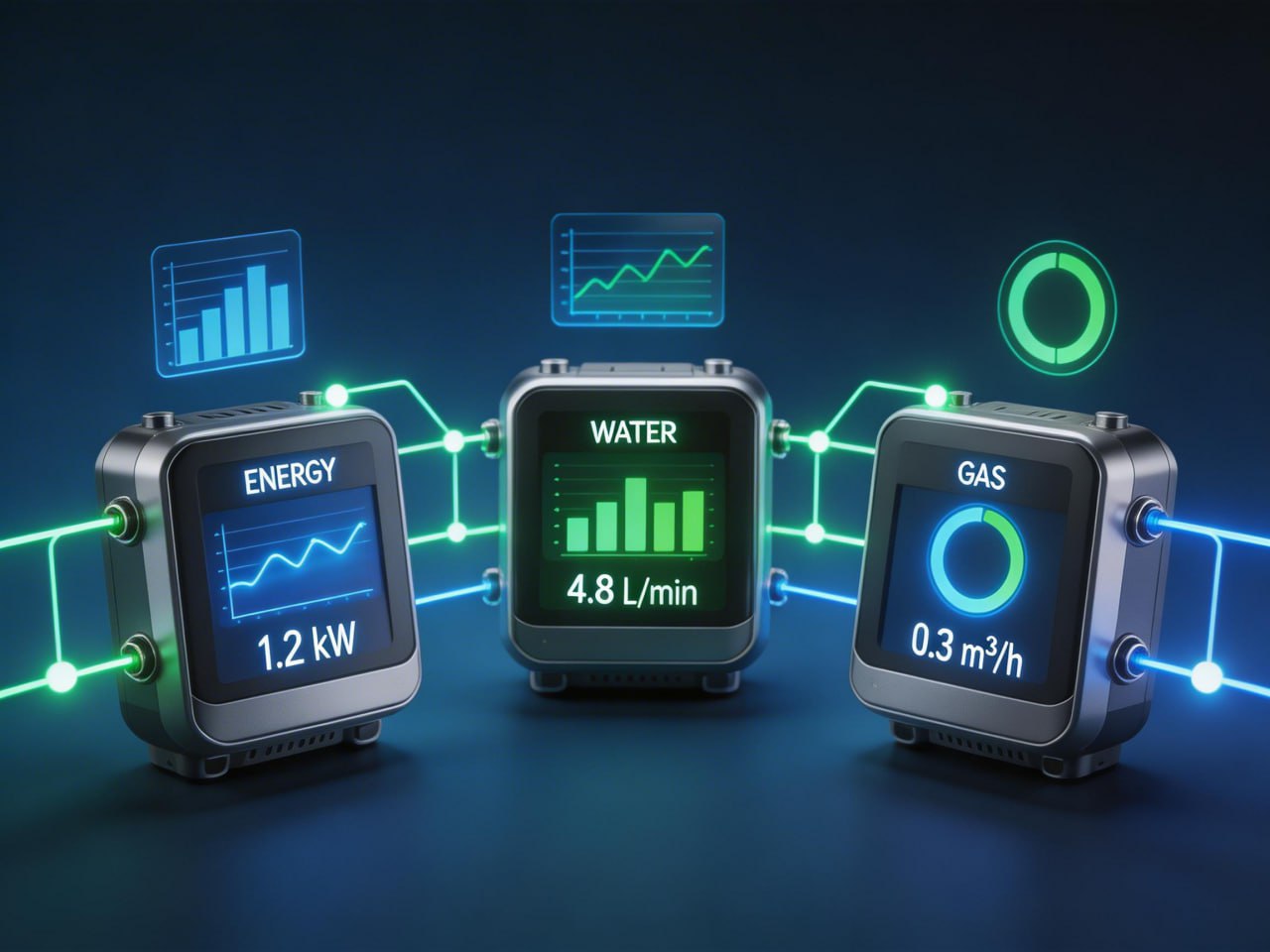
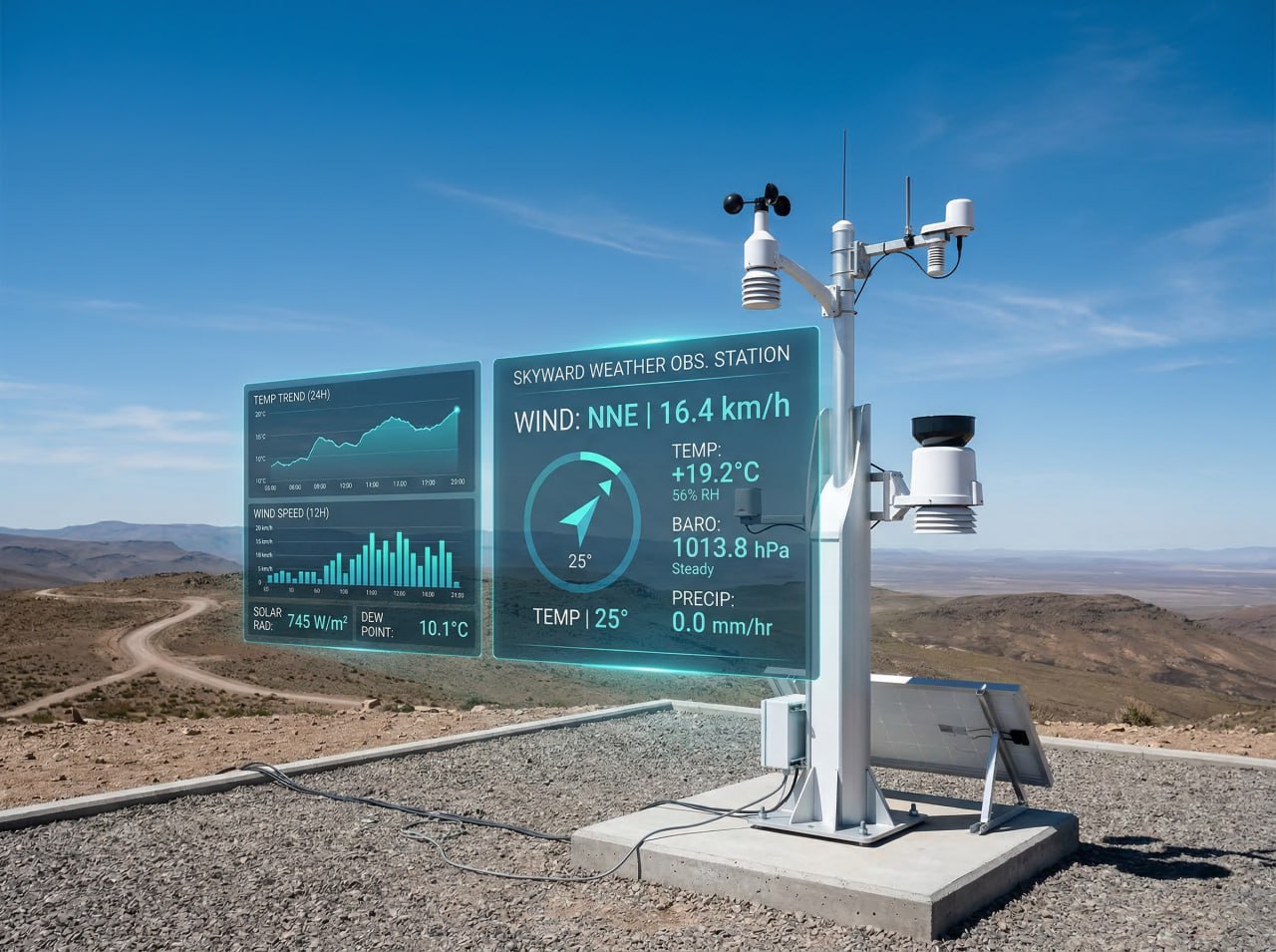
Energy bills are one of the largest and most unpredictable operating expenses for industrial facilities. Whether you run a manufacturing plant, a logistics hub, or a large-scale processing facility, the cost of electricity, gas, and water can quietly erode your margins month after month. The frustrating part? Most of that waste is invisible — until it’s already on your invoice.
Smart metering is changing that equation. By replacing traditional, passive meters with intelligent, real-time monitoring systems, industrial operators are gaining unprecedented visibility into how, when, and where energy is consumed across their entire infrastructure. And with visibility comes control. With control comes savings.
What Makes Smart Metering Different from Conventional Solutions
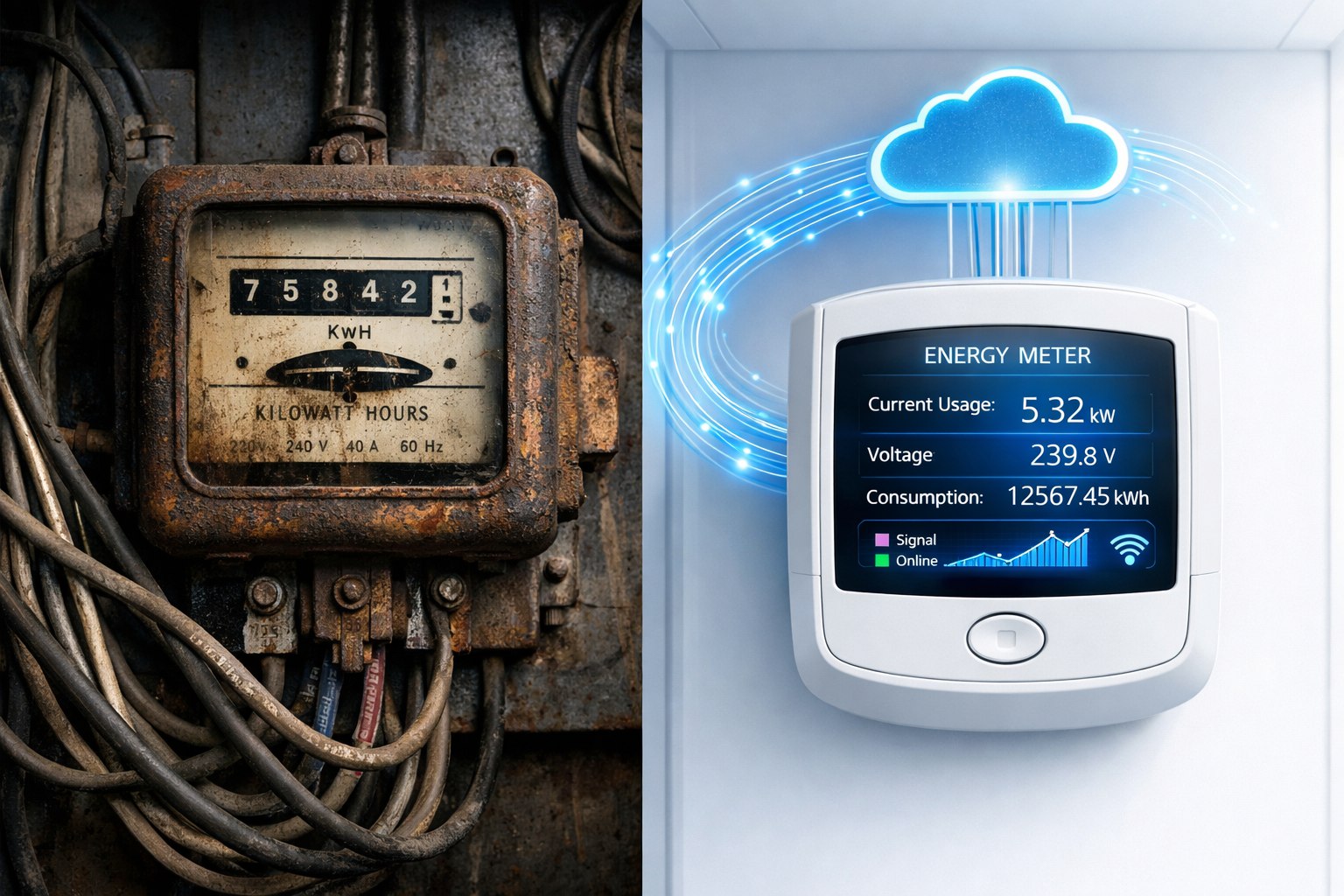
Traditional utility meters do one thing: they count. They measure total consumption over a billing period and hand that number off to your utility provider. There’s no granularity, no timing data, no way to distinguish between a well-optimized shift and one plagued by equipment inefficiencies. You only find out something went wrong when the bill arrives.
Smart meters, by contrast, operate as continuous data collection systems. They communicate usage data in near real-time — often at 15-minute or hourly intervals — and feed that information into energy management platforms where it can be analyzed, visualized, and acted upon. For industrial facilities with dozens of machines, HVAC systems, compressors, and lighting zones running simultaneously, this level of insight is transformative.
Beyond simple consumption tracking, modern smart metering infrastructure typically includes:
- Demand monitoring, which helps facilities identify peak load moments and take proactive steps to flatten consumption curves, directly reducing demand charges that often account for 30–50% of an industrial electricity bill.
- Anomaly detection, where machine learning algorithms flag unusual spikes or dips in consumption that may indicate equipment faults, leaks, or unauthorized usage — allowing facility managers to respond before small issues become expensive problems.
- Sub-metering capabilities, enabling granular tracking at the level of individual machines, production lines, or departments, so teams can pinpoint exactly which assets are driving costs up rather than making blind assumptions.
How Industrial Facilities Are Turning Data Into Dollars
The real value of smart metering isn’t in the hardware — it’s in the behavioral and operational changes it enables. When facility managers can see exactly when energy costs spike, they can begin rescheduling energy-intensive operations to off-peak hours. This seemingly simple adjustment can yield dramatic results: shifting heavy machinery cycles outside of peak demand windows is one of the fastest ways to reduce tariff-based surcharges without investing in new equipment.

Smart metering also plays a critical role in sustainability and compliance reporting. Industrial facilities in regulated industries are increasingly required to document and reduce their carbon footprints. Accurate, automated energy data collection eliminates the manual effort of compiling utility reports and provides the audit-ready documentation that regulators and corporate ESG teams require.
There’s also the compounding effect to consider. Facilities that implement smart metering rarely stop at measuring electricity. Once the infrastructure is in place, operators typically expand it to cover natural gas, water, compressed air, and steam — creating a unified view of all utility consumption across the facility. Each additional data stream reveals new inefficiencies, new opportunities for optimization, and new areas where small operational tweaks translate into measurable cost reductions.
Consider the typical outcomes reported by industrial facilities that have deployed comprehensive smart metering systems: energy costs reduced by 10–25% within the first year, maintenance budgets lowered through predictive fault detection, and carbon emissions decreased as a natural byproduct of more efficient operations. These aren’t theoretical projections — they’re the documented results of organizations that decided to stop guessing and start measuring.
The Bottom Line
Smart metering isn’t just a technology upgrade — it’s a strategic investment in operational intelligence. For industrial facilities operating under tight margins and increasing pressure to reduce both costs and environmental impact, it offers a rare combination of fast ROI and long-term value. The facilities that adopt it earliest will not only save money — they’ll build the data foundation that makes every future optimization faster, smarter, and more effective.
The question isn’t whether your facility can afford to implement smart metering. It’s whether you can afford not to.