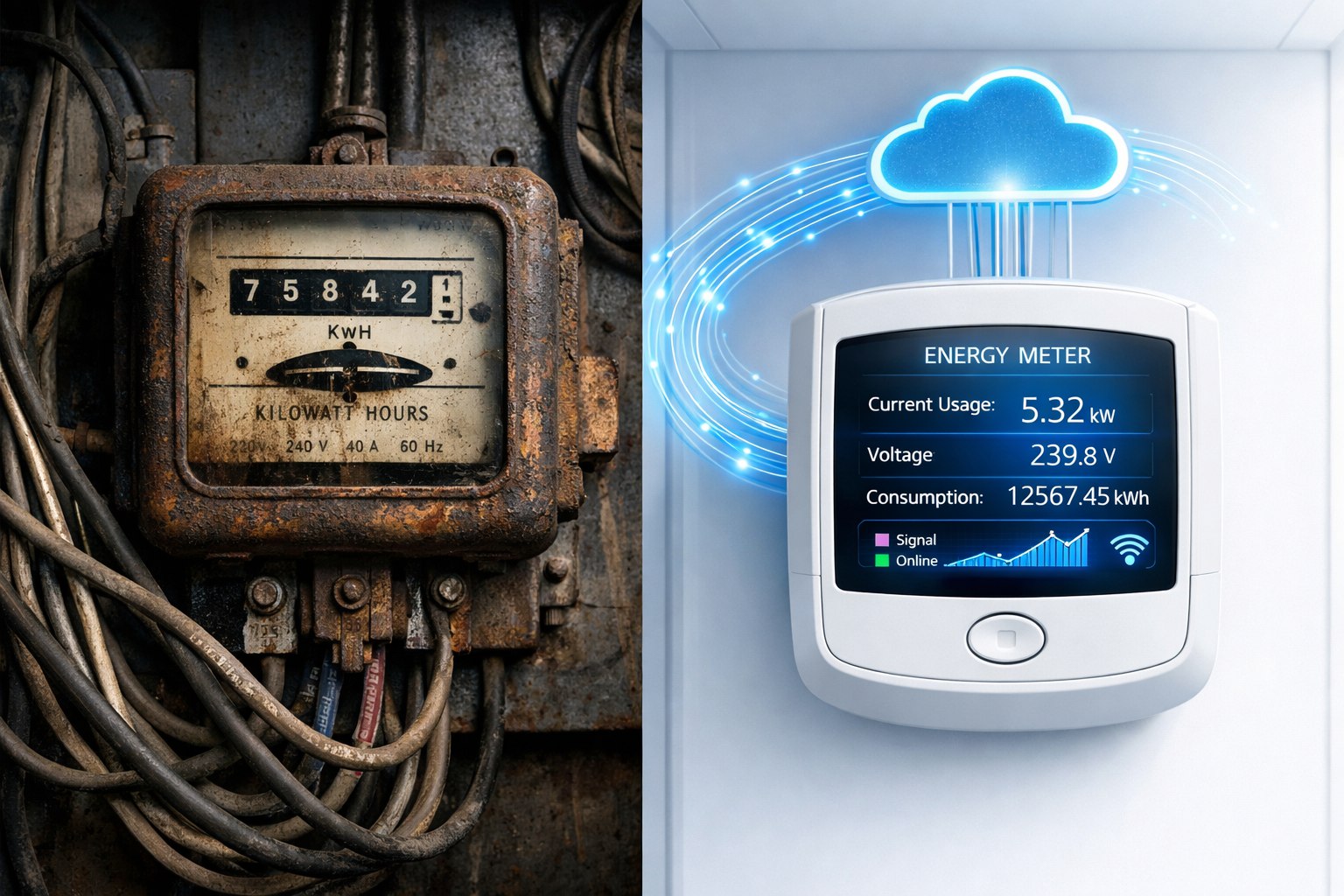
The era of siloed meters, manual readings, and month-old billing data is drawing to a close — and the IoT revolution is the reason why.
Across industries and municipalities alike, operators are waking up to a powerful truth: managing electricity, water, and gas as three separate problems is no longer sustainable. Enter modern resource accounting systems — unified, IoT-driven platforms that bring all three utility streams under a single intelligent roof. The shift isn’t just about convenience. It’s about fundamentally reimagining how we measure, understand, and control what we consume.
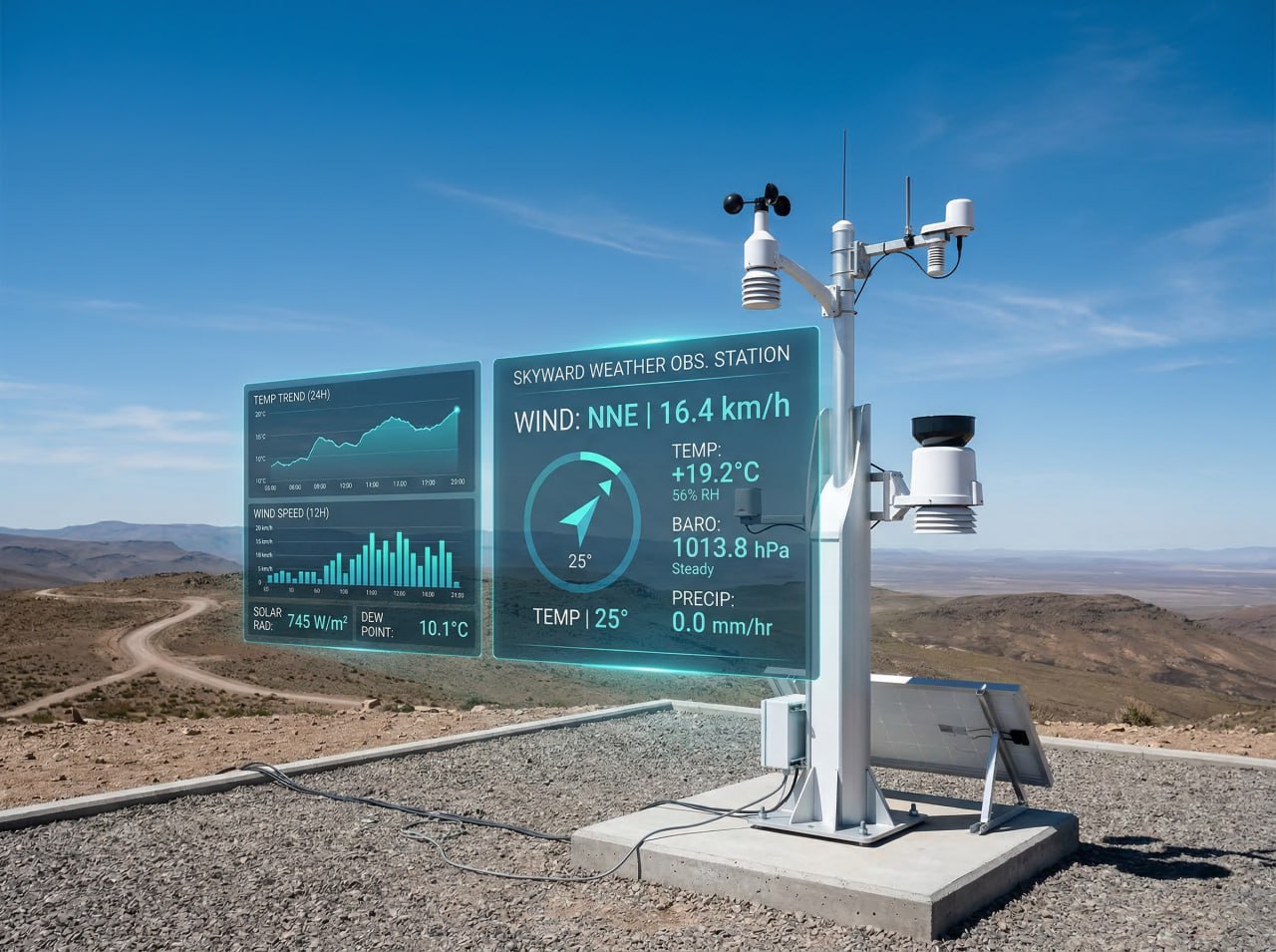
For decades, utility metering was a low-tech affair: a technician with a clipboard, a dial on a wall, and a billing cycle that lagged reality by weeks. IoT has shattered that model. Connected sensors now stream consumption data in real time, edge computing devices process anomalies on-site, and cloud dashboards surface insights that would have taken a team of analysts days to compile. The result is a new generation of infrastructure management that is faster, smarter, and vastly more cost-effective.
Why Unified Metering Beats Fragmented Systems
Traditional deployments treated electricity, water, and gas as entirely separate domains — different vendors, different communication protocols, different dashboards, and different failure modes that nobody could correlate. A pressure drop in the water system might signal a leak, or it might indicate a pump failure related to an electrical fault. Without cross-resource visibility, those dots were impossible to connect in time.
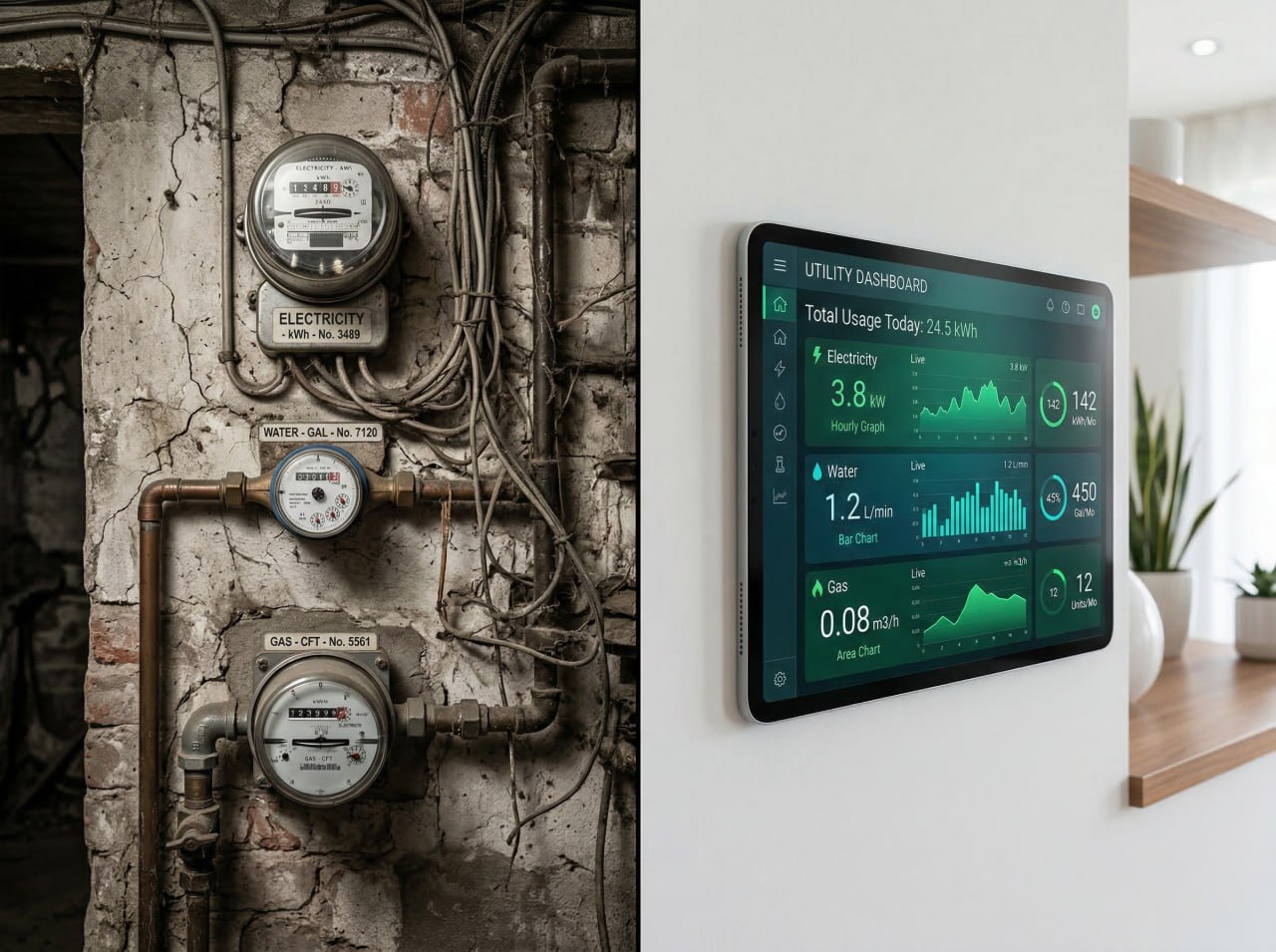
A converged IoT platform changes the equation entirely. When all three utility streams feed into a common data layer, operators gain something invaluable: context. They can spot correlated anomalies, run holistic efficiency audits, and model the downstream impact of any operational decision across every resource type simultaneously. The practical benefits are substantial:
- Leak and fault detection in near real-time. IoT sensors can flag unusual consumption patterns — a midnight spike in water flow, an unexpected voltage fluctuation — within minutes rather than after the next billing cycle, dramatically reducing losses and safety risks.
- Automated billing and consumption reporting. When meters communicate directly with billing engines, invoices become accurate, contestable, and auditable without a single manual reading — saving labor costs and virtually eliminating estimation errors.
- Predictive maintenance across all utility assets. Machine-learning models fed by continuous sensor data can identify wear patterns in gas regulators, water pumps, or electrical transformers well before failure — shifting maintenance from reactive to anticipatory and extending asset lifespans significantly.
The Architecture Behind the Intelligence
Behind every seamlessly unified metering platform is a carefully engineered IoT stack. At the field level, smart meters and sensors communicate over robust low-power protocols — LoRaWAN, NB-IoT, or Zigbee, depending on deployment density and range requirements. These devices are designed to operate for years on battery power, even in harsh industrial or underground environments, and to tolerate the signal interference common in dense urban infrastructure.
Data collected from thousands of endpoints flows into edge gateways that perform initial filtering, compression, and anomaly flagging before forwarding structured telemetry to a central cloud platform. This edge-first architecture dramatically reduces bandwidth demands and ensures that critical alerts — like a gas pressure drop that may indicate a pipe rupture — can trigger local responses in milliseconds, independent of cloud availability.
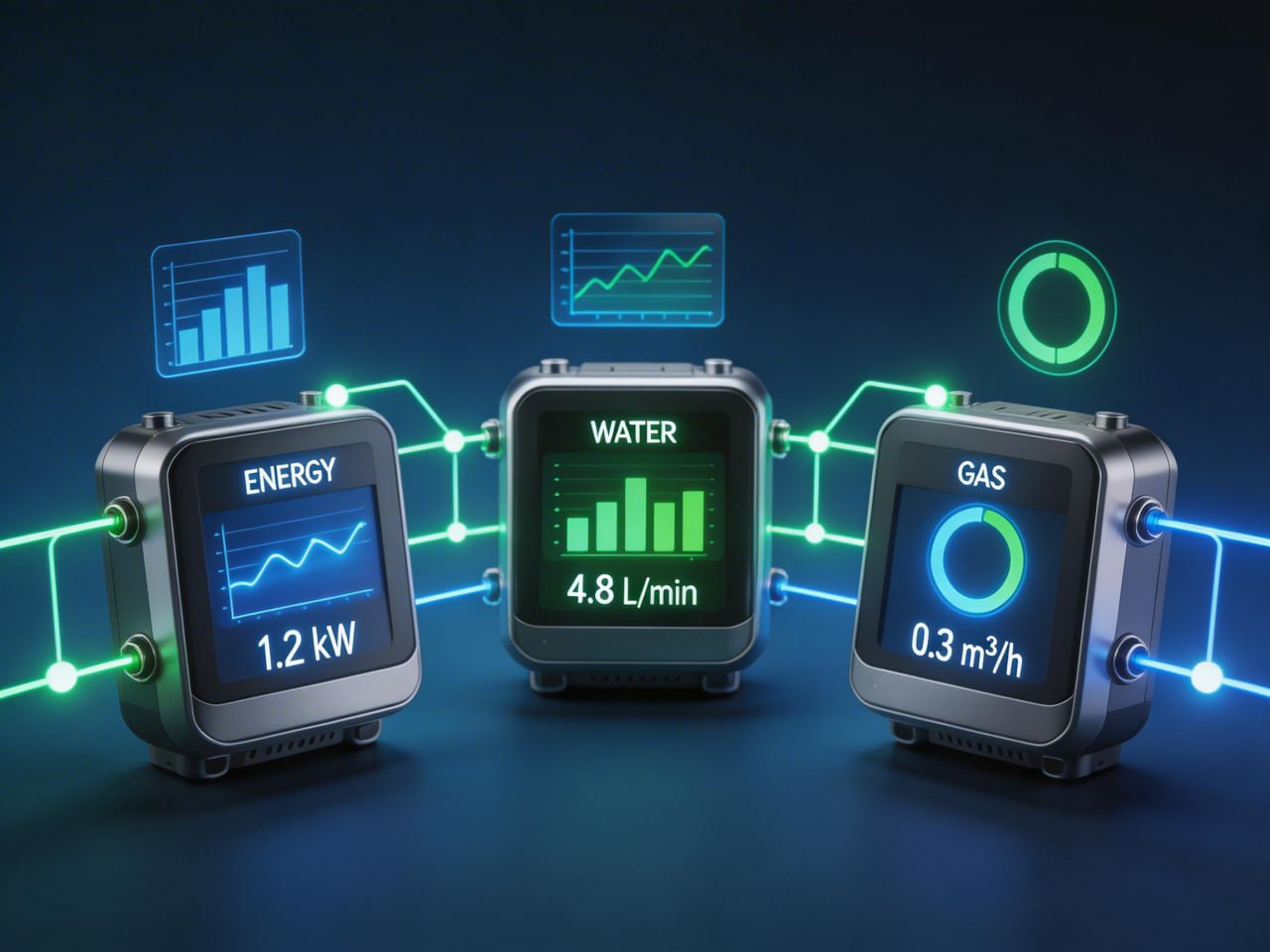
At the application layer, the data coalesces into a unified operations dashboard where facility managers, grid operators, and sustainability teams can view cross-resource consumption maps, set threshold-based alerts, and export compliance reports with a few clicks. Integration with ERP and SCADA systems ensures that the intelligence generated in the metering layer flows seamlessly into broader operational and financial workflows.
Security, naturally, is a paramount concern. Modern IoT metering platforms encrypt device communications end-to-end, implement certificate-based device authentication, and segment network traffic to prevent a compromised sensor from ever becoming an entry point to operational systems. The days of “air-gapped for security” are giving way to “zero-trust architecture for connectivity” — a trade-off that, when done correctly, delivers both the visibility operators need and the protection critical infrastructure demands.
The bottom line is straightforward: organizations that continue to treat electricity, water, and gas metering as three separate administrative burdens are leaving significant operational and financial value on the table. An integrated IoT approach doesn’t just reduce costs — it creates a living, breathing digital twin of a facility’s resource consumption, capable of answering questions nobody even thought to ask yet. The technology is mature, the ROI is proven, and the deployment playbooks are well-established. The only real question left is not whether to make the move to unified IoT metering — it’s how quickly your organization can afford not to.